We'd like to hear from you.
Phone line
Mon to Fri 8:00am-4:00pm
Working hours
451 Atkinson Dr
Honolulu, HI 96814
Honolulu, HI 96814
Visit us
News
Hawaiʻi Just Beat Corporate Control of Elections. ILWU Members Must Now Prepare To Defend It
August 23, 2026
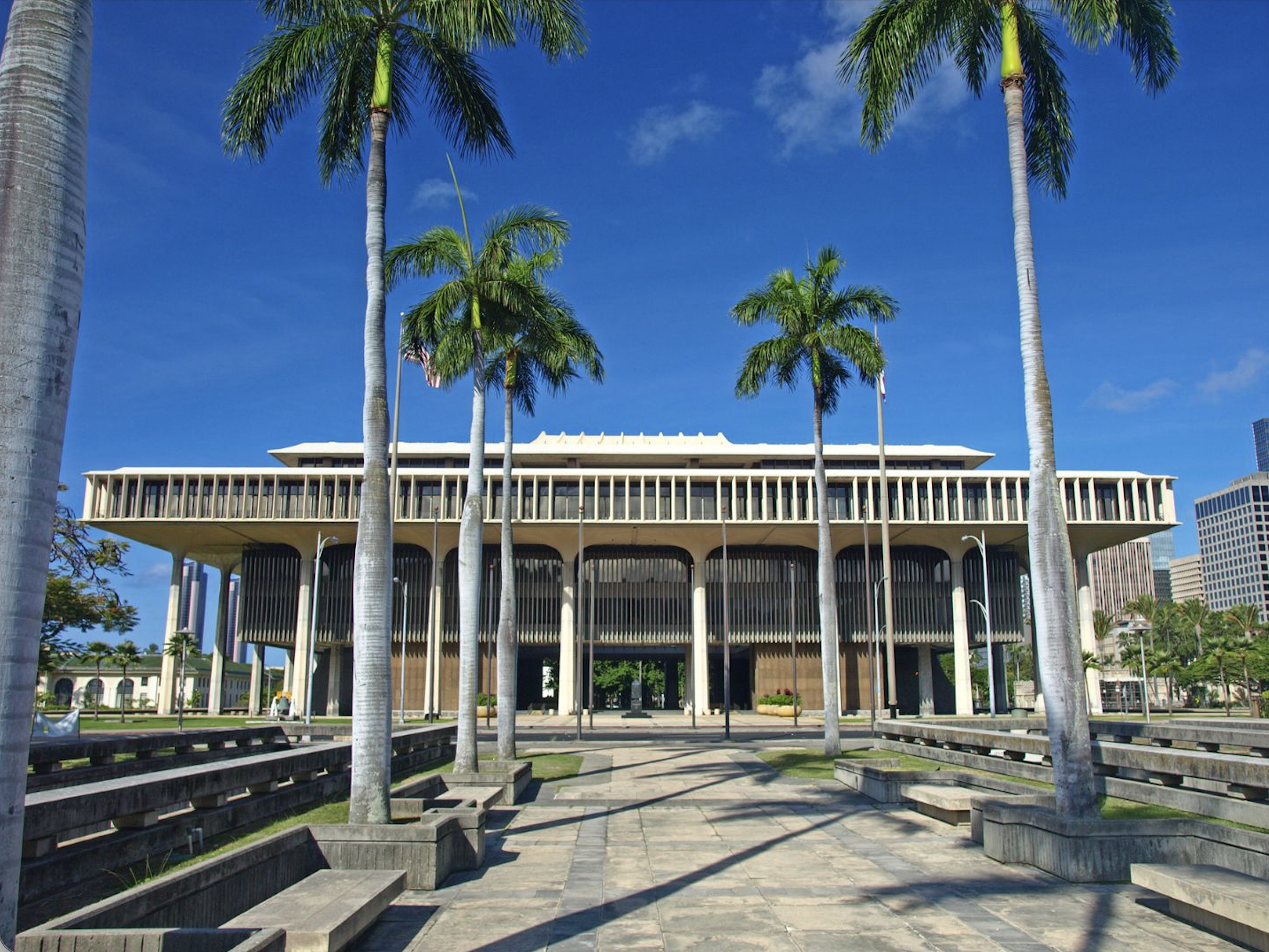
The entire nation is watching Hawaiʻi right now. With the strong support of the ILWU Local 142, this year, Hawaiʻi lawmakers did something no other state has dared to do. Governor Josh Green signed Senate Bill 2471 into law, making Hawaiʻi the first state in the country to restrict direct corporate spending in state elections by fundamentally redefining what powers corporations actually possess under state law.
In plain terms, Hawaiʻi just threw a punch at one of the most powerful systems protecting corporate political influence in America.
For years, giant corporations, billionaire donors, and dark-money political groups have flooded elections with unlimited money, drowning out the voices of ordinary people. Hawaiʻi’s new law attempts to level the playing field by declaring that corporations are not people and political spending is not an automatic right granted to them.
That matters because political power shapes everything working people care about — wages, housing, healthcare, retirement security, labor laws, environmental protections, public education, and the future cost of living in Hawaiʻi. When corporations dominate politics, working families are forced to fight uphill battles simply to be heard.
The law, which takes effect July 1, 2027, applies to corporations, LLCs, many dark-money nonprofits, and other “artificial persons.” While it still allows voluntary individual contributions through political action committees, it seeks to stop corporations themselves from directly spending money to influence elections and ballot initiatives in Hawaiʻi.
The legislation is already drawing national attention because it directly challenges the political reality created by the Supreme Court’s 2010 Citizens United decision. That ruling allowed corporations and outside groups to spend unlimited money in elections under the theory that such spending constituted protected free speech.
Since then, American politics has been transformed by Super PACs, billionaire-funded campaigns, and massive outside political spending. Across the country, corporate money has been used to attack unions, weaken labor protections, oppose wage increases, fight healthcare reform, and shape politics around the interests of wealth rather than working people.
For Hawaiʻi union members, this fight should feel familiar. Hawaiʻi’s labor movement was born in struggle against concentrated economic and political power. During the plantation era, the Big Five corporations did not just dominate the economy — they dominated government, land, housing, shipping, banking, and much of public life itself.
Workers organized through unions like the ILWU because they understood something fundamental: economic power and political power are connected. If working people wanted dignity on the job, they also needed a stronger political voice.
While the labor movement helped break that concentrated power in Hawaiʻi, today we are facing the concentration of wealth in the hands of the top 1% at levels our predacessors would have never dreamed of. From Amazon to Blackstone, the wealth and power held by these companies at the expense of workers need to be checked - especially at the ballot box.
That is why Senate Bill 2471 matters. It represents an effort to push back against a political system where wealth increasingly determines whose voices matter most. It is an attempt to return greater influence to ordinary people and local communities instead of allowing unlimited outside money to dominate elections.
But working people should also understand this clearly: the fight ahead will be enormous. Legal challenges are already expected, and powerful national organizations are preparing to attack the law in court. The same interests that benefit from unlimited political spending will not give up that power quietly.
For unions, this moment requires education, engagement, and solidarity. Defending democracy has always been part of defending working people. Hawaiʻi has taken a historic stand. Now workers must be prepared to defend it