We'd like to hear from you.
Phone line
Mon to Fri 8:00am-4:00pm
Working hours
451 Atkinson Dr
Honolulu, HI 96814
Honolulu, HI 96814
Visit us
News
Honoring Rae Shiraki: A Legacy of Stewardship, Scholarship, and Service
January 22, 2026
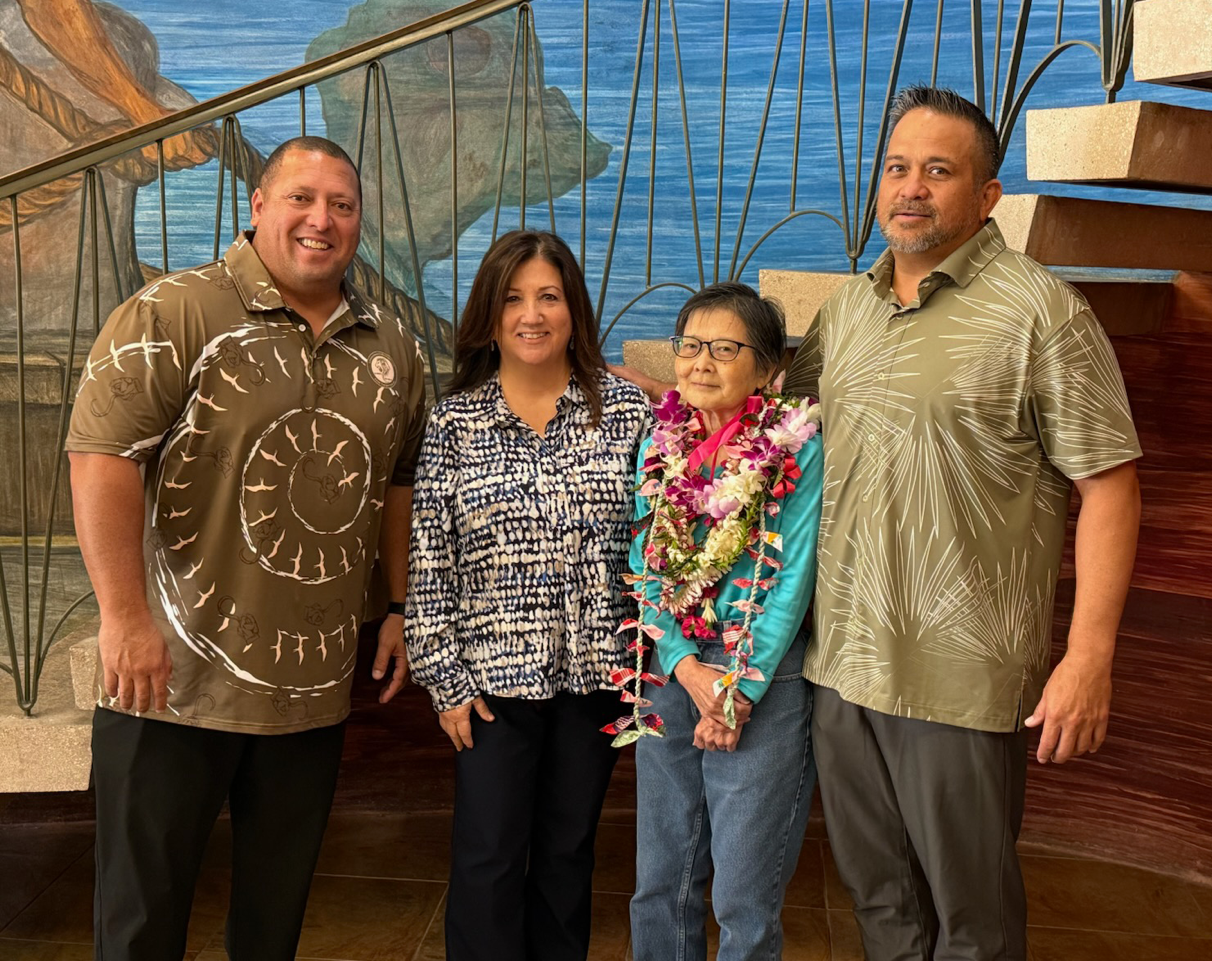
For more than three decades, the ILWU Local 142 library and archives have been shaped, strengthened, and safeguarded by the dedication of Rae Shiraki, who recently retired from her role as Librarian Archivist. Her departure marks the end of an era and offers a moment to reflect with deep appreciation on the knowledge, care, and commitment she brought to preserving the union’s history and supporting its future.
Born and raised in Mānoa on Oʻahu, Rae’s roots in Hawaiʻi shaped her lifelong sense of place and purpose. She attended Mānoa Elementary and Roosevelt High School before heading to UC Berkeley, where her world expanded in remarkable ways. At Berkeley, Rae’s interests in culture, art, and history flourished and her connections deepened. She was roommates with the granddaughter of Paul Robeson, one of the most iconic Black artists, activists, and labor advocates of the 20th century. Robeson’s ties to the ILWU run deep; he stood with Harry Bridges, denounced fascism, fought for workers, and paid a heavy price for his political courage. That Rae found herself connected to this lineage of powerful working-class struggle is a fitting early chapter in her own path toward the labor movement.
Rae later earned a master’s degree from Columbia University before returning home. In 1993, she joined ILWU Local 142 as an intern for then Secretary-Treasurer Guy Fujimura. That experience introduced her to the internal life of Hawaiʻi’s most significant private-sector union, and she soon found her professional calling. In the mid-1990s, Rae enrolled in library school at UH Mānoa to pursue a master’s degree in Library and Information Sciences. She would go on to put in the additional work required to become a certified archivist.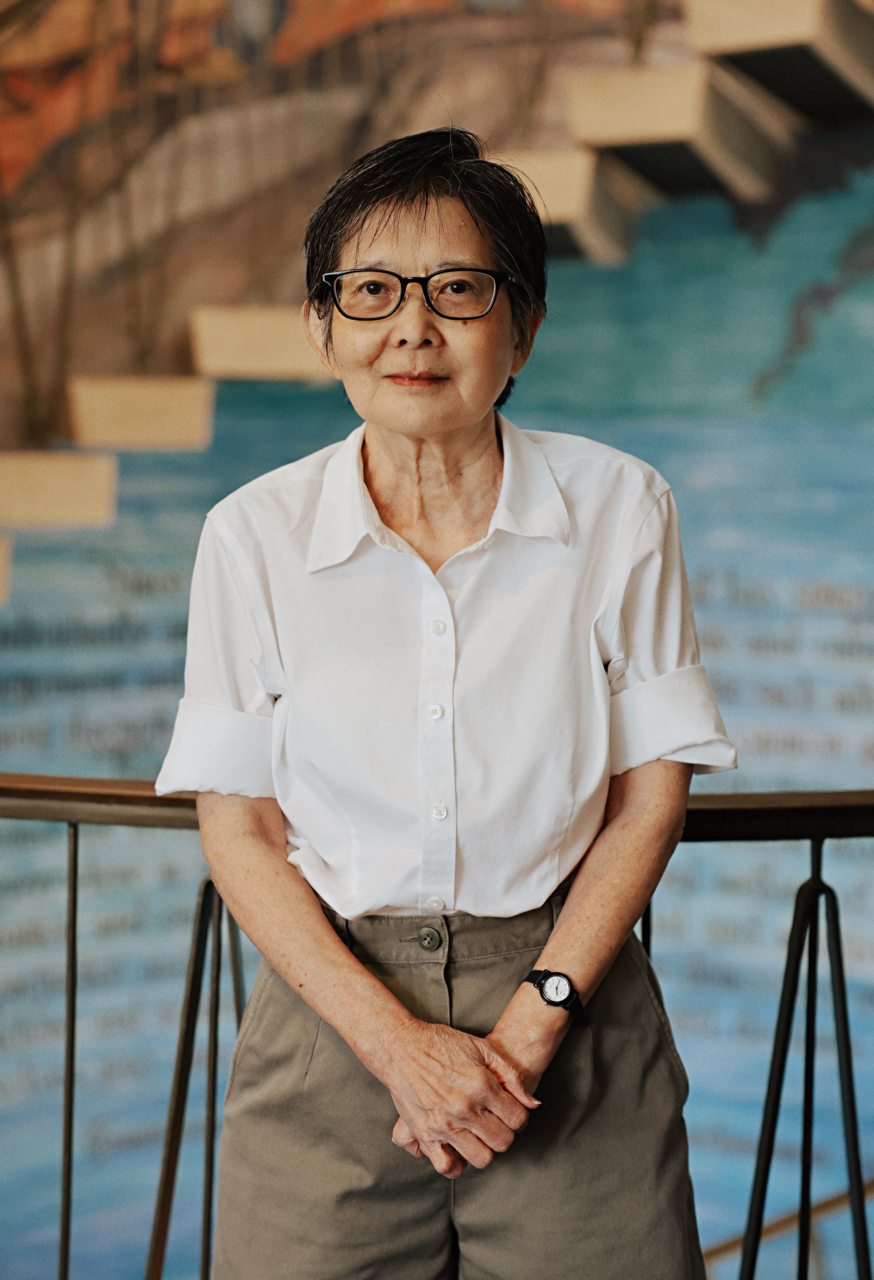
Rae honed her craft under the late Pam Mizukami, the Local’s longtime librarian. When Pam passed away in 2007, Rae stepped into the role of Librarian Archivist with humility and a deep appreciation for the responsibility she was inheriting. She also built a strong working relationship with ILWU International Librarian Gene Vrana, whose mentorship and collaboration further strengthened the Local 142 archives.
Among Rae’s greatest contributions was her stewardship of the Ah Quon McElrath Papers—her legacy project, and one of the most prized collections in the library today. Ah Quon, affectionately known as A.Q., was a social worker, organizer, intellectual, and advocate for working people. Upon A.Q.’s retirement, Rae took on the monumental task of organizing her files, writings, correspondence, and personal records into a coherent archival collection. This work was far more than mere sorting; it was an act of interpretation and care, ensuring that future generations could understand both the depth and breadth of A.Q.’s impact on Hawaiʻi and the ILWU. Rae worked closely with A.Q.’s daughter, Gail Long, and collaborated with Chris Conybeare and Joy Stannard as a consultant for the award-winning documentary, Ah Quon McElrath: The Struggle Never Ends.
Rae’s skill and knowledge made her an invaluable resource far beyond the library walls. Over the years, she provided research support and consultation for numerous scholars, authors, and filmmakers. Among them was renowned historian Gerald Horne, whose book, Fighting in Paradise: Labor Unions, Racism, and Communists in the Making of Modern Hawaiʻi, relied on Rae’s careful guidance through the Local’s extensive archival records.
But perhaps Rae’s greatest impact was on the union’s internal work. She approached every inquiry—whether from a Titled Officer researching an arbitration, a Business Agent trying to understand past contract language, a Local Rep studying historical grievances, or a rank-and-file member looking for history—with patience, care, and deep respect for the context of each request.
In the fast-paced day-to-day fight for members, union libraries are easy to miss. They are quiet rooms filled with boxes, binders, and old minutes. But they are also storehouses of information—giant data centers of people. They hold the record of what working people have built together: from negotiations to strikes, to leadership, to hot debates, to the hard-won victories of the rank and file. Rae understood this better than anyone. She treated the archives not as dusty storage but as a living repository of worker power and worker memory. In doing so, she preserved the ILWU’s legacy, which is a blueprint to its future.
As Rae begins her well-earned retirement, we thank her for her decades of passionate service, her intellectual rigor, and her steadfast guardianship of our union’s history. Her work will continue to guide ILWU Local 142 for generations to come.
We will miss her deeply—and we will always be grateful.